
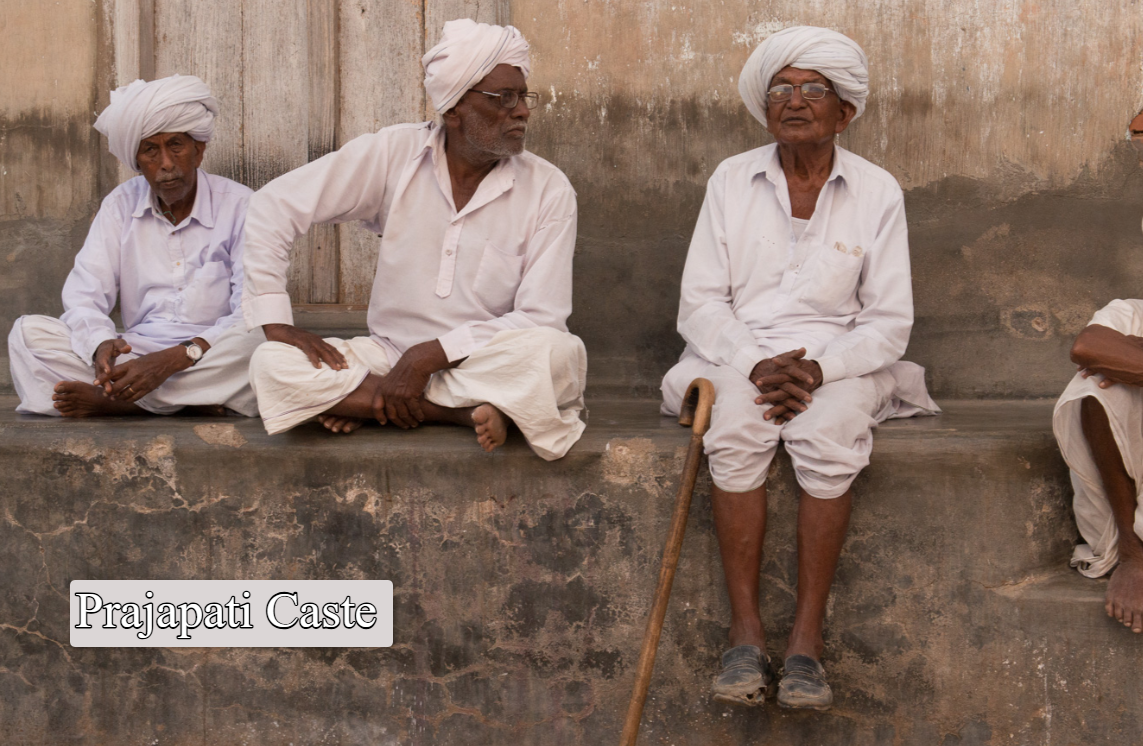
The Prajapati Caste has a long history in India. As per Hindu traditions, the word refers to a creator. Several observers explain their origin in various ways.
The word Prajapati means the lord of creation. It is often related to Lord Brahma. He is the creator deity of the universe.
Key Aspects!
- Traditional occupation: Craftsmanship
- They are also linked with pottery and clay work.
- Numerous families earn through agriculture, trade, and other small businesses.
- Now, education has expanded career choices.
Geographical presence!
The community is found in various states across India. Their notable presence can be seen in states like:
- Uttar Pradesh
- Rajasthan
- Gujarat
- Madhya Pradesh
- Haryana
Several community families are also found in Delhi, Maharashtra and other regions. Over time, the community members have migrated to various other urban cities.
Ancient profession of the community!
Pottery is associated with most families. They used to create household vessels, storage containers and other decorative items. Another important product is the earthen lamps they created. They are popular for their craft techniques.
What is the role of Handicrafts?
Craftsmanship has contributed to the economic life of various villages. It is the only way they make their living. Pottery serves the practical needs of the household. Their work increases during festivals, when demand for products rises.
Some Prajapati families are also associated with agriculture. Farming works as an additional source of income for them. Rural households combine cultivation with craft work. Landownership also vary from region to region.
Challenges in the modern society!
With industrialisation, drastic changes can be seen among community members. The mass production of cheap plastic and stainless steel decreases the demand for traditional earthen ware.
Modern challenges:
- Market Shrinkage
Metal and plastic alternatives are more durable.
- Resource scarcity
Urbanisation or land privatisation restricts access to high-quality clay beds.
- Economic vulnerability
Low profit margins have forced the younger generation to switch careers. They have migrated to urban centres. Now, they are working in several professions.
- Religious traditions
Many Prajapati families follow most Hindu traditions. Religious practices vary by location. Various customs include several ceremonies and forms of worship. Local festivals are celebrated with enthusiasm. The entire community does not follow the same religious practices.
Modern businesses and trade!
Traditional artisans have gradually entered commercial activities. Some families operate pottery shops. Some are in the handicraft business. Others have moved into other businesses and professions like retail, manufacturing, and construction. Entrepreneurship is highly visible.
Festivals and celebrations!
Some of the common festivals celebrated by them are:
- Diwali
- Holi
- Navratri
- Dussehra
- Makar Sankranti.
Diwali has a special connection with traditional clay lamps. However, regional customs add variety to various occasions. The younger generation combines traditional and modern festivals.
How has education influenced their lives?
Education has transformed opportunities for various families. Various industries include
- Engineering
- Medicine
- Commerce
- Law
- Management
- Careers in public sectors
- Competitive examination opportunities
- Banking
- Healthcare
- Teaching
Various professional education creates greater economic mobility. Digital learning also enhances access to information, opening many opportunities.