
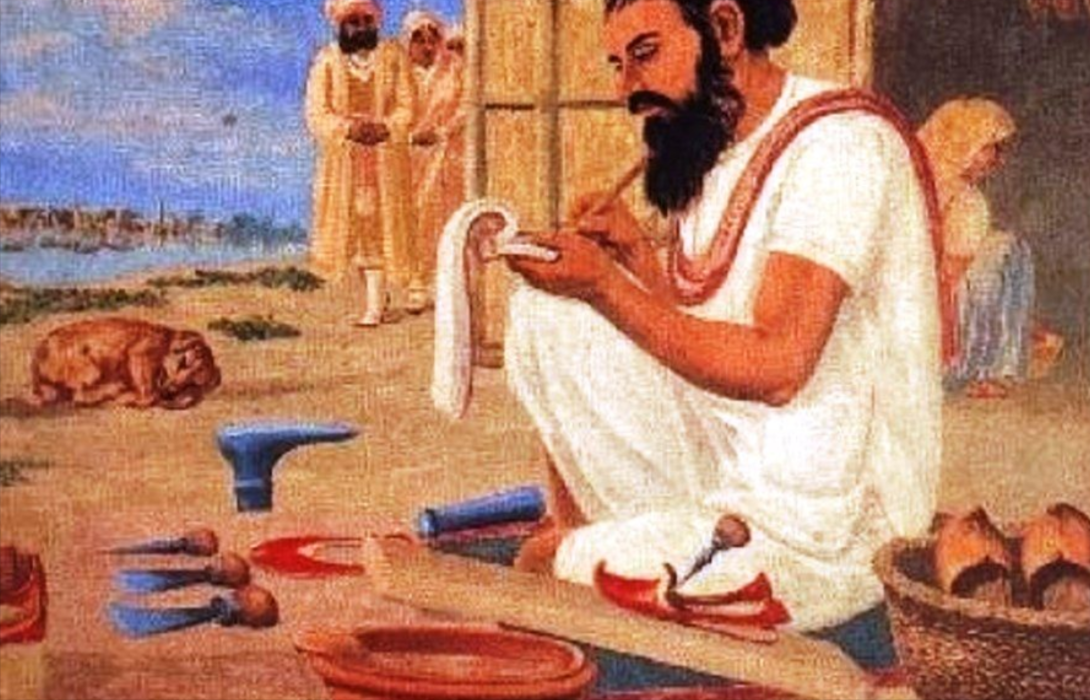
A prominent community and social group. The Jatav Caste is found in North India. Its main population resides in Uttar Pradesh, Rajasthan, Haryana, Delhi and Madhya Pradesh. They are a sub-caste of Chamars. It is identified as Dalit Heritage. The term Dalit refers to a history of oppression. The community has a long history.
Key Aspects:
- Current status: Highly influential Dalit Group
- Higher concentration of population: UP, Rajasthan and UP
- Occupation: Agriculture and leather-related work
- Language: Indo-Aryan language
- Category: Scheduled castes
- Current occupation: Education, Government services, Business, Technology, Healthcare, Law and other professions.
Their geographic distribution and demographics!
Their huge population is present in UP. Other states include Haryana, Punjab and Delhi. They comprise 54% of UP’s local SC population. They live in both rural and urban areas.
Their language and surname!
Common languages include Hindi, Haryanvi and Punjabi. They also speak regional dialects like Braj Bhasha. They use Jatav as their surname. Community members also use other surnames, such as Kumar, Verma, and Singh.
Traditional and modern occupations!
Historically, they were associated with leatherwork. They also worked heavily as agricultural labourers. However, occupations vary by location.
Change of occupation!
Today’s modernization has changed the employment profile. The community members are now working in various fields like
- Education
- Government services
- Healthcare facilities
- Various business
- Technology
- Law and other professions.
Religious Traditions!
Commonly, they follow Hindu Religious traditions. However, their cultural rites vary from region to region.
Bhakti tradition plays a vital role in religious and cultural history. Devotional movements result in spiritual equality.
Importance of Guru Ravidas!
Guru Ravidas holds an important place in the community. They follow his teachings. They emphasise devotion, equality, and dignity.
They celebrate the Ravidas Jayanti. They also organise religious gatherings and processions on the day.
What is the role of education?
Education becomes a major pathway in changing their socio-economic status. An increasing number of young people pursue higher education. It results in various working fields like:
- Engineering
- Medicine
- Law
- Management
- Commerce
- Public administration.
Their Political Participation!
The Jatav community participates with zeal in the North Indian political landscape. They participate in voting, local leadership and representation. Community concerns include things like:
- Education
- Employment
- Social equality
- Economic development.
Influence of BR Ambedkar!
He plays a crucial role in the Dalit social movement. They emphasise
- Education
- Equality
- Constitutional Rights
Community members follow their ideas.
Historical mobilization!
Social mobilisation accelerated in the 20th century. An organisation named Jatav Vir was formed in Agra. Leaders like Manik Chand Jatav led the early movement. Various leaders, like Manik Chand Jatav, led the movement early on.
Talking about the current challenges and progress!
- Still, members are facing deep prejudice. Land ownership is quite low.
- Many are dependent on dominant caste farmers for their work
- Literacy rates are rapidly rising
- Young people are increasingly prioritising higher education
- They produce influential authors and officers
Common Gotras!
- Bharadwaj
The gotra is named after sage Bharadwaj. It is a prominent Gotra of the community.
- Gautam
Sage Gautama named it. It signifies its cultural lineage.
- Mishra
It has an historical significance. The community has a rich cultural and social background.
- Shandilya
The Gotra traces its roots to Shandilya. The Rishi is known for its contribution to spiritual teachings and rituals.
- Atri
The Gotra originated from Atri Sage. One is renowned for devotion, wisdom and other Vedic hymns.