
Kanaujia Caste refers to the current Kanauj community of Uttar Pradesh. It is not a single monolithic caste. Their ancestors were historically associated with the Kannauj region.
Key Aspects!
- Geographical region: Inhabitants of Kannauj
- The surname Aspect: Kanojia or Kanaujia
- Status: At the top of the northern Indian caste hierarchy
- Higher concentration of population: UP, MP, Bihar and Nepal
- Historical roles: Vedic priests, Royal advisers and notable military recruits
- Known for: High professional fields and strict vegetarianism
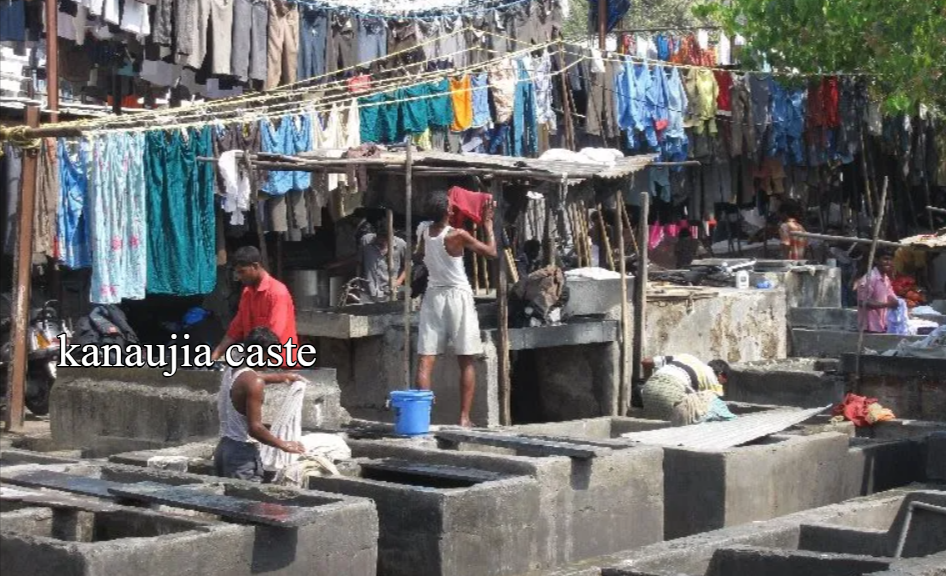
- Traditional role: Textile cleaning and laundry care
Historical background of Kanaujia Caste!
The community is an important centre of North Indian history. Over time, they have migrated from one place to another. Later, they spread the Kanaujia identity to various parts of North India. They have migrated due to various reasons like:
- Education
- Employment
- Trade and other opportunities
They have expanded their presence to various cities.
A diverse community!
The community is not necessarily a uniform caste category. They operate independently according to their social structure. Their community is categorised according to factors:
- Community
- Region
- Family
- Tradition
- Social context
Kanaujia Brahmins
- Their social standing
The group is categorised under Pancha Gauda. They hold a high status in northern India. They are highly popular in UP and MP.
- Their historical routes
They traditionally worked as priests, scholars, temple administrators, advisors, and so on.
- Their military contribution
During the colonial era, the British focused on recruiting Kanaujia Brahmins into the Bengal Army.
- Current status
They belong to the general category. They place cultural emphasis on higher education. They also work in law, medicine, engineering, and civil services.
Kanaujia Dhobi or Rajak
- Their professional lineage
The community is specialised in textiles. They use the surname to denote their ancestral ties back.
- Cultural traditions
Their social rituals connect back to local folklore and sub-lineages.
- Category
The community is categorised under SC and OBC status.
Other regional sub-castes include:
- Yadav
It is a subset of the agricultural Yadav community. Their roots indicate their migration from the Kannauj Kingdom.
- Merchant or artisan clans
They are a lineage of Kurmis, Sonars, and Baniyas. They specify their geographic origin within the broader caste networks.
Historical association with scholarship!
Kanyakubja Brahmins are associated with Sanskrit learning, religious studies and teaching. They have played an important role in the historical identity.
Geographic distribution and language!
- Core concentration
The highest density of individuals who carry the Kanaujia title is found in the North Central Plains. They are present in the North Central Plains. Their high concentration is in UP, Bihar and MP.
- Wider migration
A significant population of the community migrated. Later, they got settled in Rajasthan, Punjab, West Bengal and Maharashtra.
- Linguistic Trait
The members of the community used to speak regional indo-Aryan languages. These languages include:
- Awadhi
- Kannaunji
- Hindi
- Bhojpuri and Maithili
Understanding their religious Practices!
Their religion reflects broad North Indian Hindu Traditions. Traditions, deities, rituals, and customs can vary by region.
Also, marriage, festivals and religious ceremonies vary from family to family. They also celebrate various festivals across North India. Some of the festivals include:
- Diwali
- Holi
- Dussehra
- Navratri
- Janmashtami
- Makar Sankranti
The current status of Kanaujia Identity Today!
For many people, Kanaujia represents a blend of:
- Regional heritage
- Family history
- Community affiliation
With urbanisation, identities have become more diverse and flexible.
Conclusion!
They are a historically significant community. However, today their professions and identities have changed, along with their lifestyles. They have also adopted a modern lifestyle.